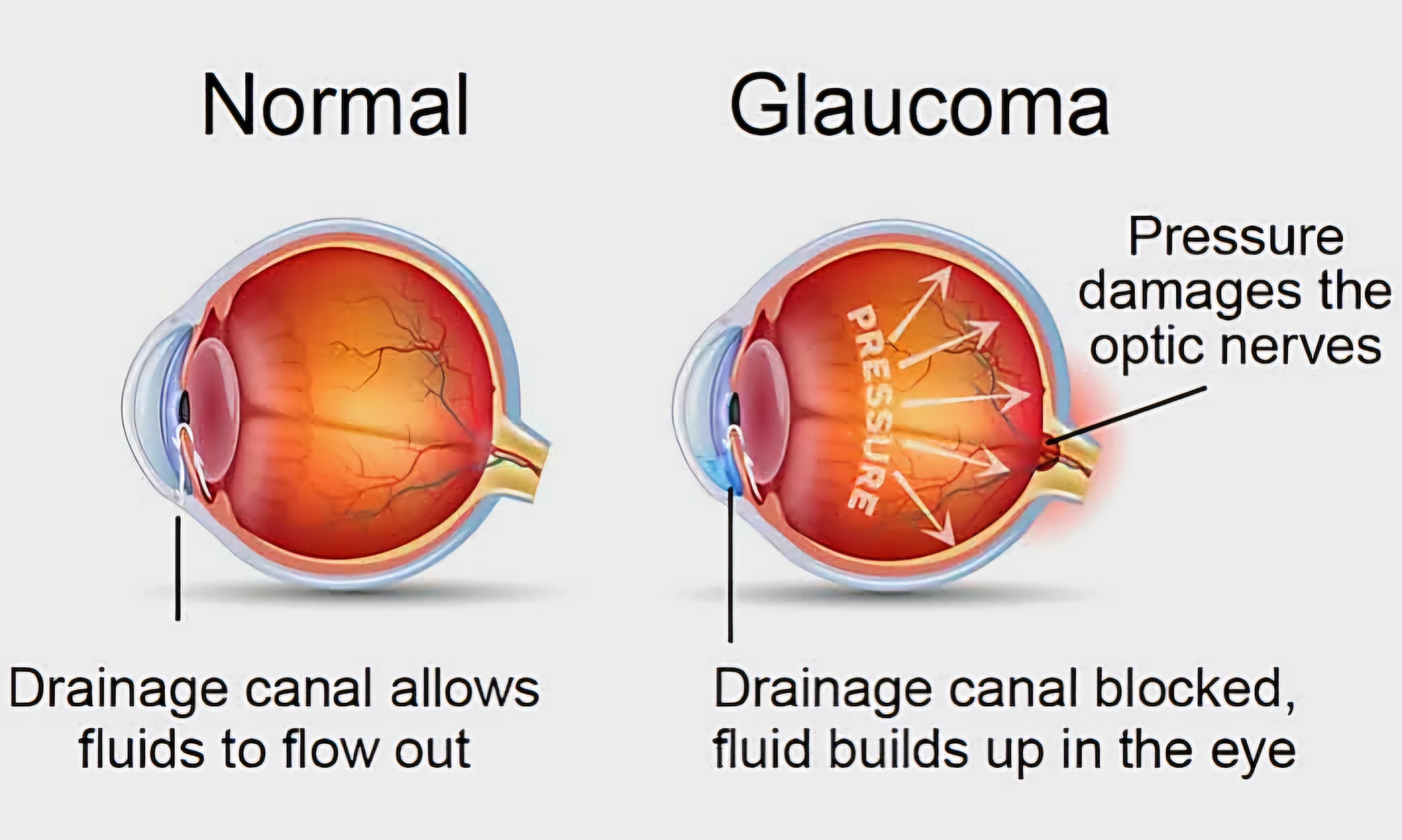
Glaucoma
What is the normal intraocular pressure?
Intraocular Pressure (IOP) is the pressure of the contents of the eyeball. Normal intraocular pressure varies between 12 and 20 mm Hg. However, some eyes can tolerate higher pressures than others. That is why it may be normal for one person to have a higher pressure than 20 mm Hg and yet remain symptomless.
What is glaucoma?
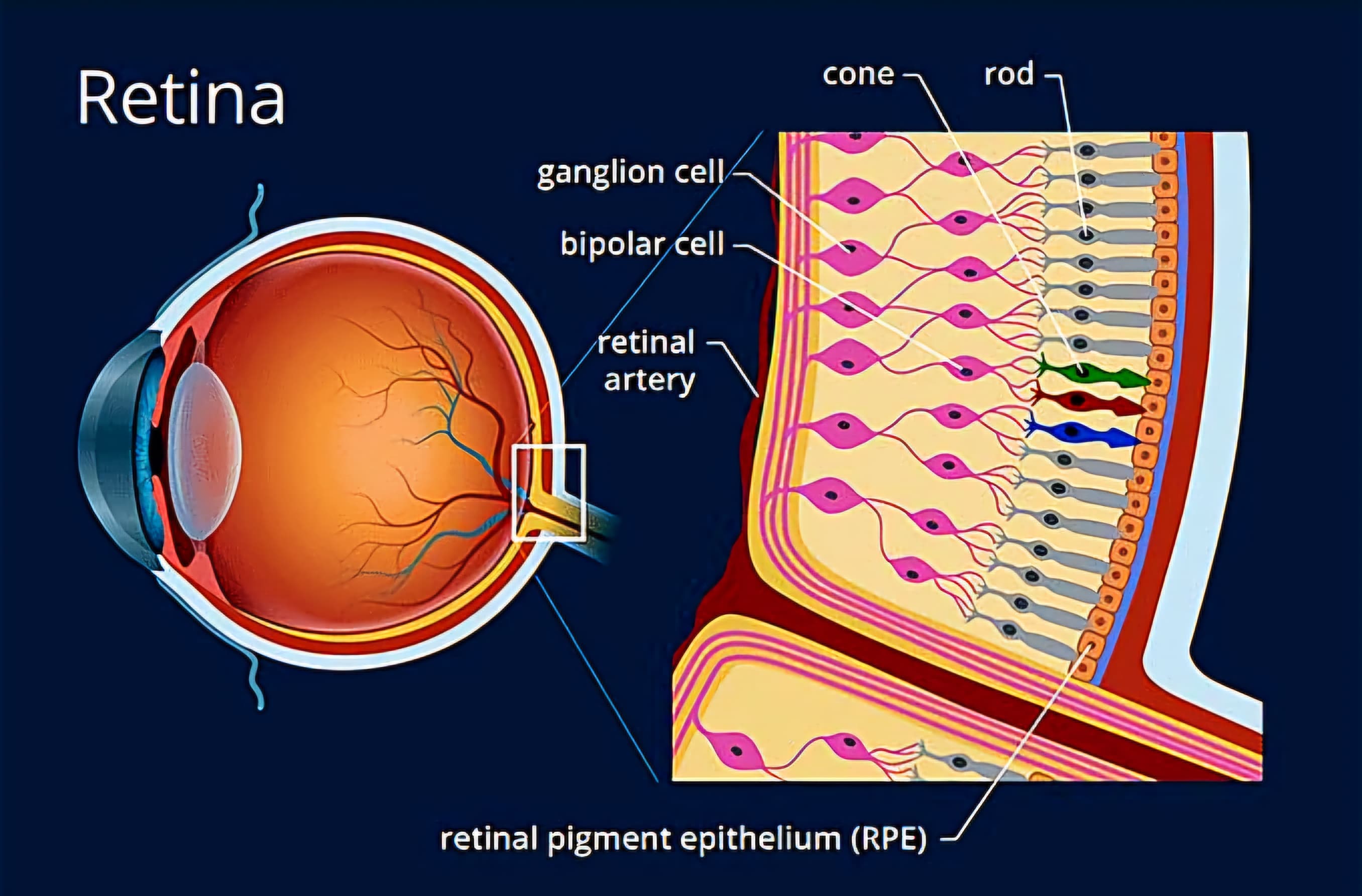
Glaucoma is a disease caused by increased intraocular pressure resulting either from a malformation or malfunction of the eye's drainage structures. Left untreated, an elevated IOP causes irreversible damage to the optic nerve and retinal fibers resulting in a progressive permanent loss of vision. However, early detection and treatment can slow, or even halt the progression of the disease.
How is the IOP balanced?
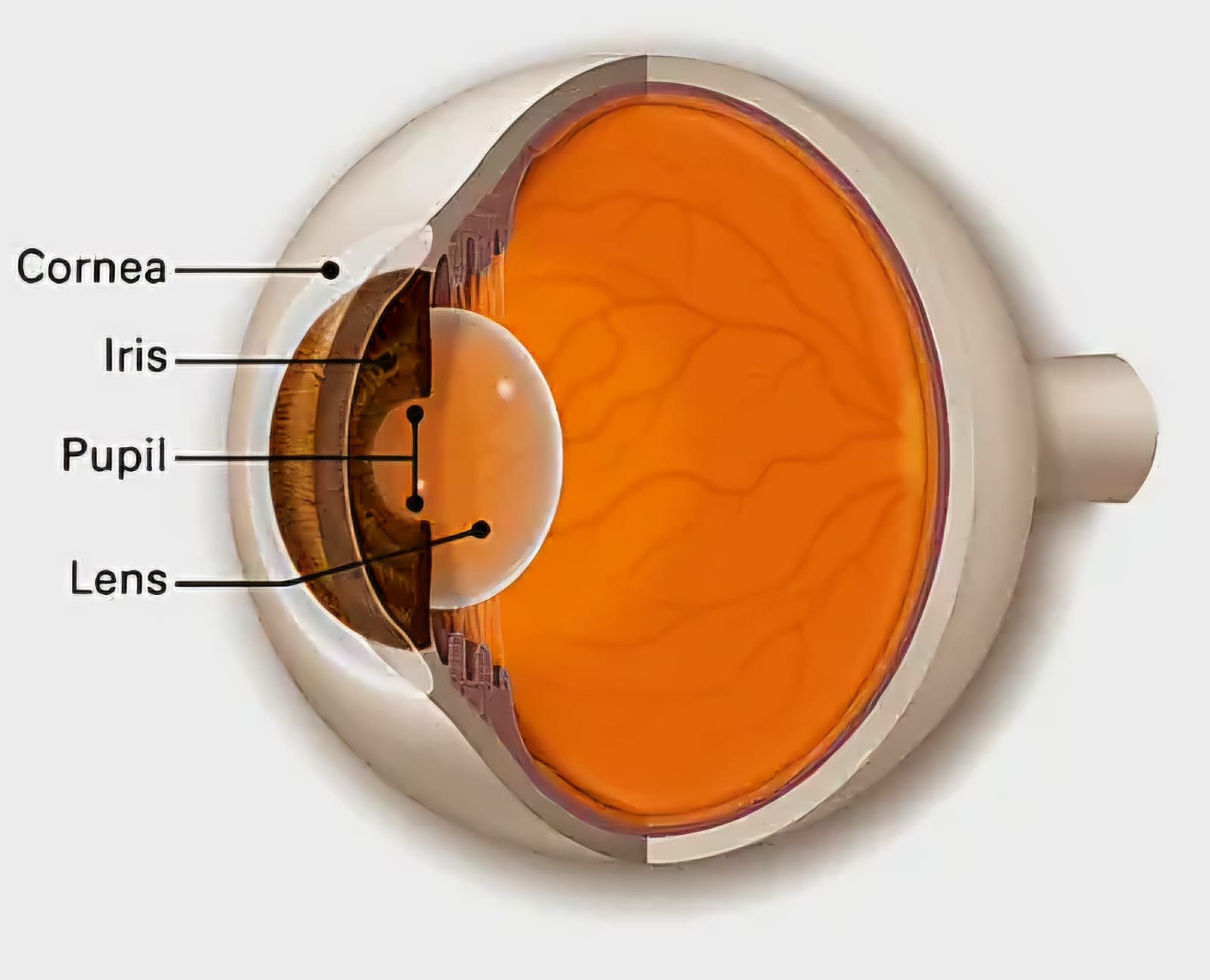
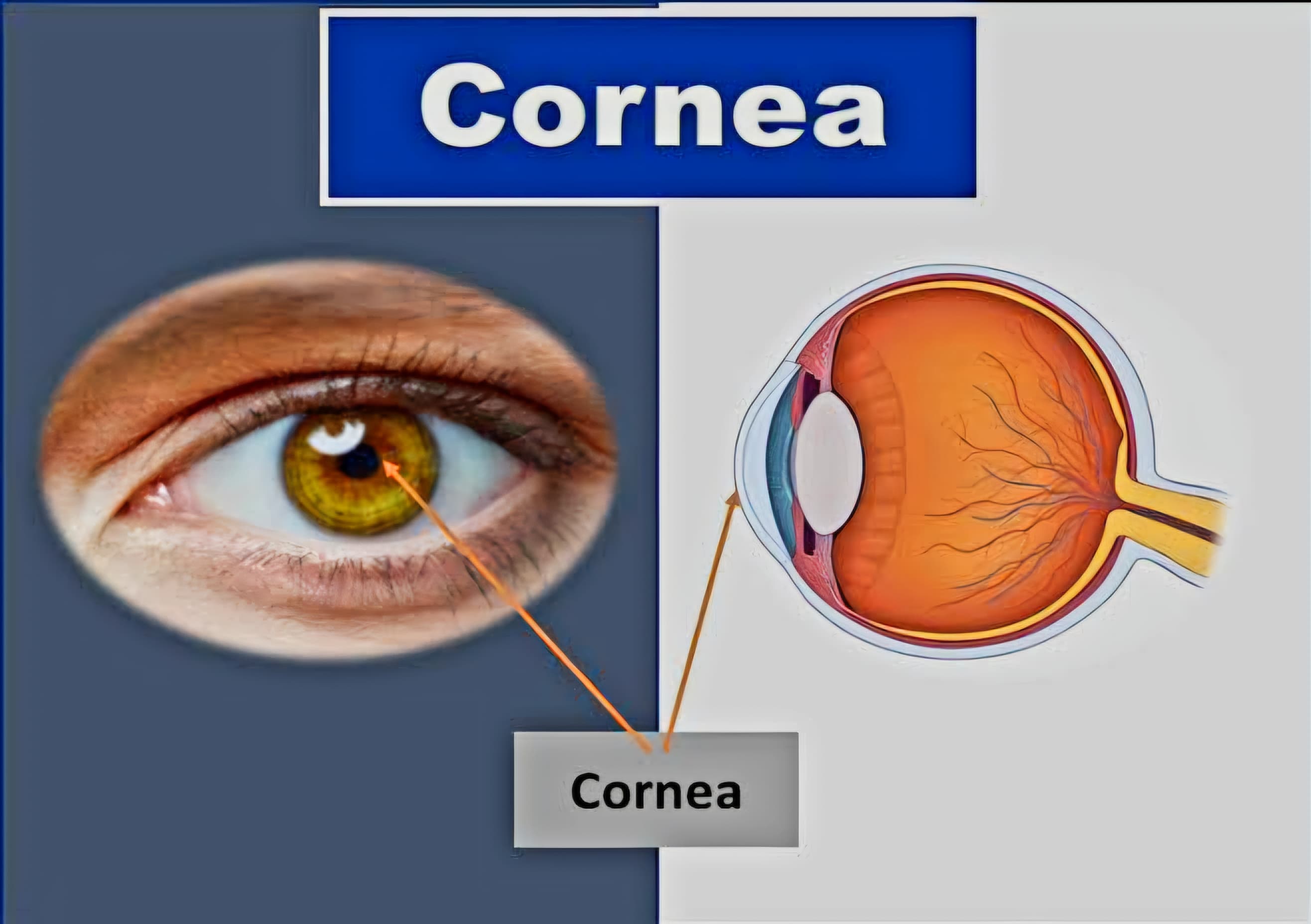
The ciliary body constantly produces aqueous humor - a clear fluid that fills the anterior chamber (the space between the cornea and iris). The aqueous drains out of the anterior chamber through a complex drainage system. The delicate balance between the production and drainage of aqueous determines the eye's intraocular pressure (IOP).